
PRP vs Stem Cell Therapy for NFL Injuries
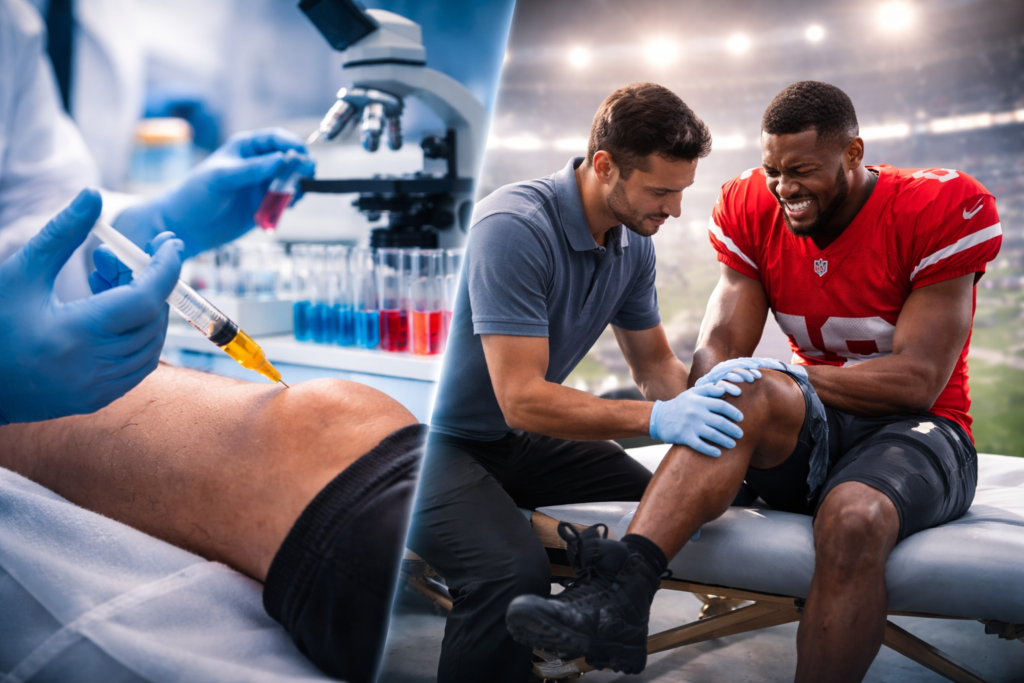
PRP vs Stem Cell Therapy in NFL Injuries What Actually Works In professional football, injuries are not just common, they are expected. Every season in the National Football League, players deal with muscle tears, ligament damage, and joint problems that can impact their careers. The real question is not whether injuries happen, but how quickly and effectively athletes recover. Over the past decade, regenerative medicine has changed the way sports injuries are treated. Two of the most talked about treatments are PRP therapy and stem cell therapy. Both promise faster healing without surgery, but which one actually works better for NFL level injuries? This guide breaks down PRP vs stem cell therapy, how they work, and what really delivers results for athletes. Understanding PRP Therapy PRP stands for platelet rich plasma. It is a treatment that uses the patient’s own blood to promote healing. A small amount of blood is drawn, processed to concentrate the platelets, and then injected into the injured area. Platelets are rich in growth factors that help repair tissue, reduce inflammation, and speed up recovery. How PRP Works PRP stimulates the body’s natural healing process. When injected into damaged tissue, it triggers repair mechanisms that might otherwise take much longer. Common NFL Injuries Treated with PRP PRP is widely used for Muscle strains Tendon injuries such as Achilles tendonitis Mild ligament sprains Joint inflammation Benefits of PRP Therapy PRP is popular among athletes because it is Minimally invasive Quick to perform Low risk since it uses your own blood Effective for early stage injuries However, PRP has limitations. It mainly enhances healing rather than regenerating new tissue. This makes it less effective for severe injuries. Understanding Stem Cell Therapy Stem cell therapy takes regenerative medicine to the next level. Instead of just accelerating healing, it aims to regenerate damaged tissue. Stem cells are unique because they can transform into different types of cells such as cartilage, muscle, or ligament tissue. These cells are typically sourced from bone marrow or fat tissue. How Stem Cell Therapy Works Stem cells are injected into the injured area where they help rebuild and repair damaged structures. They also release signals that reduce inflammation and improve healing. Common NFL Injuries Treated with Stem Cells Stem cell therapy is often used for Torn ligaments such as ACL injuries Cartilage damage in knees and joints Chronic tendon injuries Degenerative joint conditions Benefits of Stem Cell Therapy Stem cell therapy offers True tissue regeneration Long term healing rather than temporary relief Reduced need for surgery Potential to treat severe injuries This is why many elite athletes turn to stem cell therapy when PRP is not enough. PRP vs Stem Cell Therapy Key Differences Understanding the difference between PRP and stem cell therapy is crucial when choosing the right treatment. Healing Approach PRP boosts the body’s natural healing process. Stem cells actively rebuild damaged tissue. Best Use Cases PRP is ideal for mild to moderate injuries. Stem cell therapy is better suited for severe or chronic conditions. Recovery Time PRP often provides faster short term relief. Stem cell therapy may take longer initially but delivers deeper and longer lasting results. Effectiveness PRP works well for inflammation and minor tissue damage. Stem cells are more effective for structural repair and regeneration. What Do NFL Players Actually Use In the National Football League, recovery speed is everything. Players often cannot afford long downtime. Many athletes start with PRP therapy because it is quick and effective for minor injuries. However, when injuries are more serious or recurring, stem cell therapy becomes the preferred option. Some well known cases have shown athletes extending their careers by using regenerative treatments instead of opting for surgery. While not every case is publicly documented, regenerative medicine has become a standard part of sports recovery. Which Treatment Actually Works Better The honest answer is that it depends on the injury. PRP works best for Early stage injuries Inflammation Minor tendon and muscle issues Stem cell therapy works best for Severe ligament damage Cartilage loss Chronic injuries that do not heal If the goal is quick recovery and return to play, PRP may be sufficient. If the goal is long term healing and avoiding surgery, stem cell therapy often delivers better outcomes. For NFL level injuries, where damage is often severe, stem cell therapy is generally considered the more powerful solution. The Future of NFL Injury Treatment Regenerative medicine is evolving rapidly. Teams and athletes are investing more in non surgical solutions that reduce downtime and improve performance. PRP and stem cell therapy are just the beginning. Advances in Regenerative Medicine are opening the door to even more advanced treatments that could change how injuries are managed in professional sports. The focus is shifting from simply treating injuries to fully restoring the body. Final Thoughts PRP vs stem cell therapy is not about choosing one over the other. It is about using the right treatment at the right time. PRP is a great starting point for minor injuries and quick recovery. Stem cell therapy is the stronger option for serious damage and long term healing. For NFL players and high performance athletes, combining both treatments strategically can provide the best results.
Hamstring Injury NFL Causes, Recovery & Return to Play
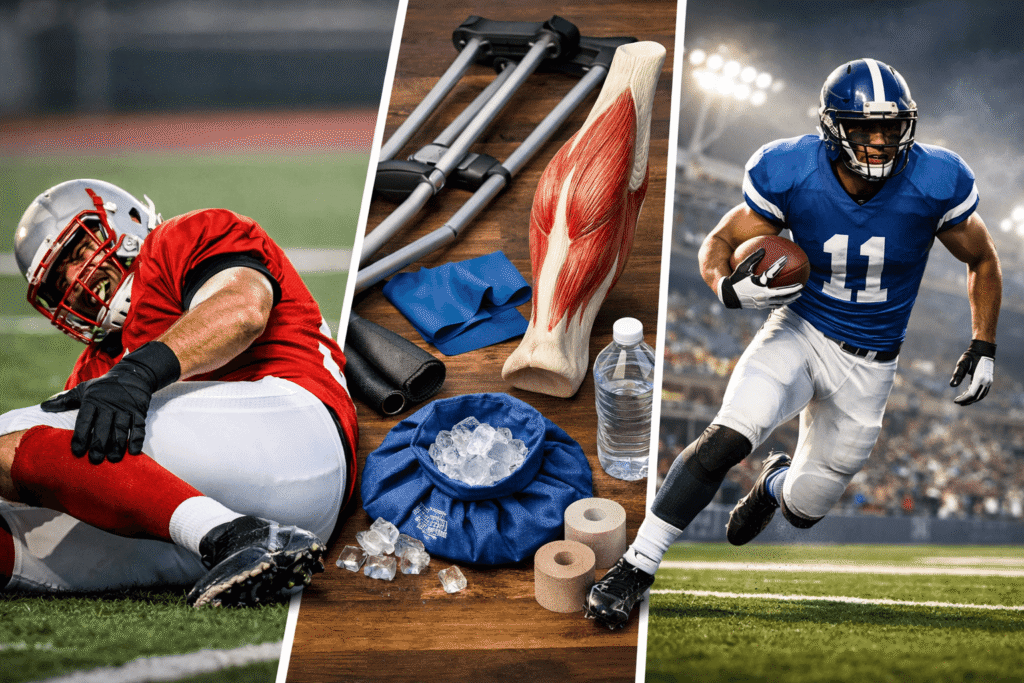
Hamstring Injury NFL Explained: Causes, Recovery, and Return to Play A hamstring injury in the NFL is one of the most common and frustrating soft tissue problems in professional football, not only because of how often it occurs, but because of how unpredictable recovery can be. Fans often assume a hamstring strain is a minor issue, yet NFL teams treat these injuries with extreme caution because even a small setback can lead to repeated absences or long term performance decline. In a league where speed timing and explosiveness define success, a compromised hamstring can quietly change the trajectory of an entire season. This article explains what a hamstring injury in the NFL really involves, why it happens so frequently in elite football, how recovery is managed at the professional level, and what return to play realistically looks like for NFL athletes. Understanding the Hamstring Muscles The hamstrings are a group of three muscles located along the back of the thigh, and they play a vital role in nearly every football movement. These muscles assist with bending the knee, extending the hip, and most importantly, controlling the leg during high speed running. During sprinting, the hamstrings must slow the lower leg down while simultaneously preparing it to strike the ground, which places enormous stress on the muscle fibers. When doctors and trainers talk about a hamstring injury nfl, they are usually referring to damage that occurs when the muscle is lengthening under load. This type of stress is especially dangerous because it combines force with stretch, making the muscle more vulnerable to tearing. Why Hamstring Injury NFL Rates Are So High More than thirty years after Theismann, another Washington quarterback suffered a nearly identical leg break. Alex Smith fractured his tibia and fibula in a gruesome play that required seventeen surgeries and nearly resulted in amputation. The medical complications alone make this one of the worst nfl injuries of all time. How Hamstring Injuries Actually Happen Most hamstring injury nfl cases are non contact injuries that occur during sprinting rather than collisions. The injury typically happens during the late phase of the running cycle, when the hamstring is lengthening while still producing force to control the swinging leg. This moment creates the highest tension within the muscle fibers. Several risk factors commonly appear in NFL evaluations, and this is the only time bullet points are used: Previous hamstring injury history Insufficient eccentric hamstring strength Poor sprint mechanics under fatigue Muscle imbalance between quadriceps and hamstrings Sudden increases in training or game workload Flexibility alone is rarely the cause. Many injured players are flexible, but lack the strength or neuromuscular control needed to tolerate repeated high speed effort. Severity and Types of Hamstring Injuries NFL medical staff generally classify hamstring injuries into three levels of severity. Mild injuries involve small amounts of fiber damage with limited strength loss. Moderate injuries include partial tearing that causes noticeable weakness and pain. Severe injuries involve complete tearing and may include tendon involvement, which can significantly lengthen recovery time. Most hamstring injury NFL cases fall into the mild to moderate category, yet even these injuries can linger if the player returns too quickly. Sprinting at NFL speed requires more than pain free movement, and returning before the muscle is fully prepared greatly increases the risk of reinjury. Symptoms and Early Warning Signs A hamstring injury an NFL athlete experiences often begins suddenly, with a sharp pulling sensation or tightness in the back of the thigh that alters running mechanics. Some players are able to walk off the field, while others stop immediately because they can no longer accelerate. Bruising and swelling may develop over the next day or two, especially with more significant tearing. Weakness during push off or difficulty reaching top speed are common signs that the muscle is not functioning normally. One of the biggest concerns for medical staff is compensation. When an athlete subconsciously protects the injured hamstring, additional stress may be placed on the calf, hip, or opposite leg, increasing the risk of secondary injuries. How NFL Teams Diagnose Hamstring Injuries Diagnosis usually begins with a detailed physical examination, followed by imaging when necessary. MRI is commonly used because it shows the exact location and extent of tissue damage. This information helps determine recovery timelines and guides rehabilitation planning. Teams also assess strength, movement quality, and sprint mechanics. These evaluations are critical for planning NFL hamstring injury recovery, because pain alone does not reflect readiness for high speed football demands. The Hamstring Injury NFL Recovery Process Rehabilitation after a hamstring injury NFL is carefully structured and progressive. The early phase focuses on reducing pain and restoring comfortable movement without aggravating the injury. Complete rest is rarely recommended, as controlled activity promotes healing. As symptoms improve, rehab shifts toward rebuilding strength, particularly eccentric strength, which prepares the hamstring for the stresses of sprinting. Core stability and hip control are also emphasized, as poor control in these areas can increase strain on the hamstring. Later stages of rehab introduce running progression. Athletes move from light jogging to controlled acceleration, then to full speed sprinting. Change of direction drills are added only after straight line sprinting is well tolerated. How Long Does Hamstring Injury Last NFL Players Recovery time varies widely. Mild injuries may allow return within two to three weeks, while moderate injuries often require four to six weeks or longer. Injuries involving tendon tissue may extend recovery even further. This variability is why there is no single answer to how long a hamstring injury in the NFL lasts. Return timelines depend on injury severity, position demands, individual healing response, and the ability to tolerate repeated high speed efforts Return to Play and Reinjury Risk Return to play decisions are among the most difficult following a hamstring injury in the NFL. Pain relief alone is not enough. Players must demonstrate equal strength between both legs, clean movement mechanics, and the ability to sprint repeatedly without hesitation. Reinjury risk is highest during the first
Top 20 Worst NFL Injuries Ever Recorded (Updated 2025 List)
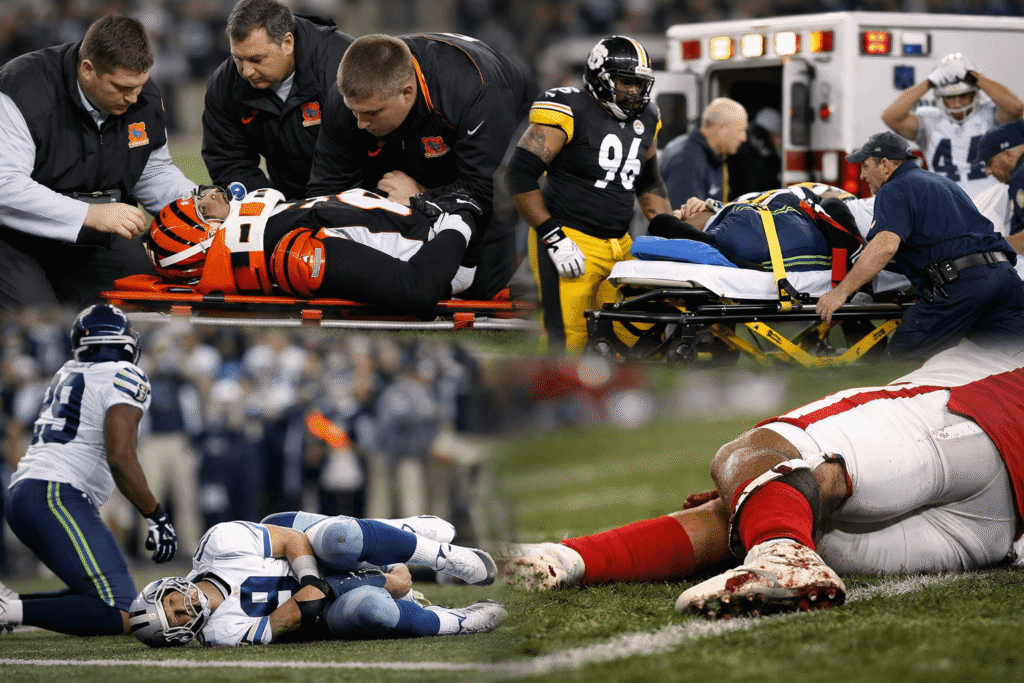
Top 20 Worst NFL Injuries Ever Recorded (Updated 2025 List) The National Football League has always been a place where speed, strength and intensity collide every single week. These collisions often create unforgettable highlights but sometimes they also lead to tragic moments. Throughout NFL history fans have witnessed injuries that were so severe they changed careers and in some cases entire franchises. This long form guide breaks down the Top 20 Worst NFL Injuries Ever Recorded and explains why each moment shocked the world. This list focuses on the worst nfl injuries of all time and highlights how these moments influenced safety rules and medical advancements across the league. 1 Joe Theismann Career Ending Leg Break 1985 Perhaps the most replayed injury clip in league history, Joe Theismann’s leg snapped on national television during a Monday Night Football game. Lawrence Taylor landed on him causing a compound fracture that instantly ended his career. Many still consider this the worst injury in NFL history because of the dramatic nature of the incident and the immediate aftermath. 2 Alex Smith Spiral Fracture 2018 More than thirty years after Theismann, another Washington quarterback suffered a nearly identical leg break. Alex Smith fractured his tibia and fibula in a gruesome play that required seventeen surgeries and nearly resulted in amputation. The medical complications alone make this one of the worst nfl injuries of all time. 3 Kevin Everett Cervical Spine Injury 2007 Kevin Everett suffered a devastating spinal cord injury while making a tackle on a kickoff. He was temporarily paralyzed and doctors were unsure whether he would walk again. His recovery later became an inspirational story but the moment itself remains unforgettable. 4 Napoleon McCallum Knee Dislocation 1994 This injury shocked fans as McCallum’s leg bent backward unnaturally after being tackled. Multiple ligaments muscles and arteries were torn and his career ended instantly. Surgeons acted quickly to save his leg from further damage. 5 Dak Prescott Ankle Dislocation 2020 Dak Prescott’s ankle twisted at a ninety degree angle during a tackle leaving fans visibly shaken. His emotional reaction and his subsequent surgery became one of the most memorable recent injury comebacks in modern football. 6 Darryl Stingley Spinal Cord Injury 1978 A violent hit during a preseason game left Darryl Stingley permanently paralyzed. The emotional impact of his injury pushed the league to rethink unnecessary roughness and contributed to the gradual evolution of safer tackling. 7 Reggie Brown Neck Injury 1997 Reggie Brown collapsed after a routine tackle and required CPR on the field. Doctors discovered a severe spinal cord compression. The injury forced him into early retirement and stands out as one of the nfl injuries that ended careers. 8 Dennis Byrd Paralysis Incident 1992 Dennis Byrd collided with a teammate and fractured a vertebra in his neck which caused immediate paralysis. His determination during rehabilitation allowed him to walk again and his ordeal is still cited as one of the most emotional recovery stories in NFL history. 9 Johnny Knox Spinal Injury 2011 Johnny Knox suffered a violent collision that twisted his spine in a terrifying manner. Emergency surgery stabilized him but his NFL career ended the same day. Many fans still regard this moment as one of the worst nfl injuries of all time because of its brutal visual impact. 10 Tua Tagovailoa Concussion Sequence 2022 Tua endured two major head impacts within days. The second left him displaying a fencing response with his body appearing stiff on national television. This moment triggered immediate revisions in concussion protocols across the league. 11 Ryan Shazier Spinal Injury 2017 While attempting a tackle Ryan Shazier lost all feeling in his lower body. Doctors diagnosed a spinal contusion requiring surgery and extensive rehabilitation. His journey showed how quickly a promising career can change forever. 12 Zach Miller Artery Tear 2017 Zach Miller dislocated his knee in a way that damaged the artery supplying blood to his lower leg. Surgeons fought to save his limb from amputation. This non contact injury highlighted the unpredictability and danger present in every play. 13 Terrell Owens Fibula Break and High Ankle Fracture 2004 Terrell Owens suffered a broken fibula and torn ankle ligaments after being dragged down from behind. Despite the severity he returned seven weeks later to dominate in the Super Bowl. His recovery remains legendary in NFL medical history. 14 Bo Jackson Hip Dislocation 1991 Bo Jackson suffered a hip dislocation that caused long term tissue damage and ultimately ended his football career. This remains one of the most devastating nfl injuries that ended careers because Bo was one of the most gifted athletes the sports world had ever seen. 15 Earl Campbell Spine Compression Issues Late 1980 While not tied to one single hit Earl Campbell experienced years of punishing collisions that resulted in severe spinal compression. His long term injuries serve as an example of how cumulative damage can be just as dangerous as a single catastrophic moment. 16 Marcus Lattimore Double Knee Trauma 2012 Although this injury happened in college it shaped his NFL future dramatically. Marcus Lattimore tore nearly every ligament in his knee in a horrifying collapse. Doctors worked to reconstruct his knee but he was never able to return to peak form. 17 Tim Krumrie Super Bowl Leg Break 1989 During Super Bowl twenty three Tim Krumrie’s leg snapped and twisted in multiple places as millions watched live. The shocking visual and the fact that it happened on the sport’s biggest stage made it unforgettable. 18 Eric Wood Career Ending Neck Condition 2018 Eric Wood discovered a serious neck condition after his season which doctors said made it too dangerous to continue playing. His situation proved that some of the worst nfl injuries of all time do not always happen during spectacular hits and can be silent and unexpected. 19 Patrick Robinson Neck Injury 2002 Patrick Robinson suffered nerve damage from a neck injury that created weakness on one side of his body. Medical evaluation forced him to
Worst NFL Injuries in 2025 (so far)- The Injury Expertz
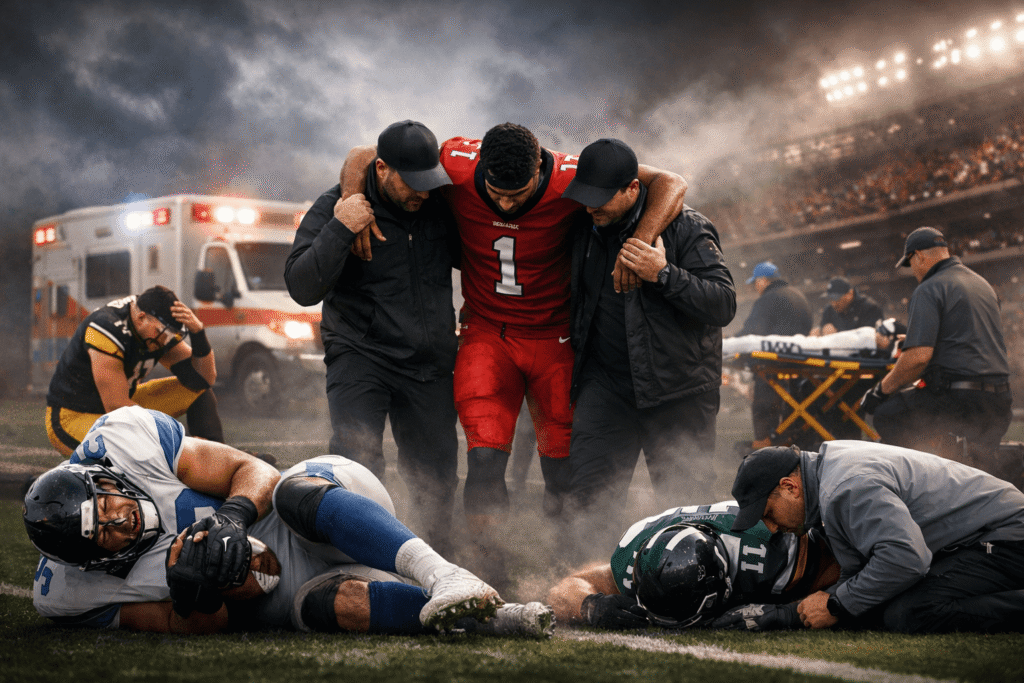
Worst Injuries from the 2025 Season: Top NFL Stars Knocked Down The 2025 NFL season has already seen its fair share of devastating injuries. As the season progresses, some of the biggest stars in the league have been sidelined by unfortunate, game-changing injuries. In this blog, we’ll highlight the worst injuries from the 2025 season and explore their impact on their respective teams. Joe Burrow (QB, Cincinnati Bengals) Joe Burrow’s season came to a harsh halt early. In Week 2, he suffered a Grade 3 turf toe, a severe sprain of the big toe joint combined with ligament damage. The Bengals confirmed he’d require surgery, and his recovery is expected to take at least three months. Why it’s brutal: Turf toe may sound minor, but for a quarterback who needs to push off the foot, plant, scramble, and torque, it’s devastating. Missing three months means Burrow could be out until midseason, leaving the Bengals without their offensive anchor. Tyreek Hill (WR, Miami Dolphins) One of the more graphic and heartbreaking injuries of 2025: Tyreek Hill suffered a dislocated knee with multiple torn ligaments, including a torn ACL, during a game. Initial reports suggest the injury is season-ending Impact: Hill’s loss is enormous for Miami. He was a key vertical threat, and replacing his explosiveness and separation ability won’t be easy, at least not this year. Malik Nabers (WR, New York Giants) In Week 4, Nabers went down after landing awkwardly on a deep pass, immediately grabbing his knee. MRI results confirmed a season-ending torn ACL in his right knee. Why it matters: Nabers was one of the Giants’ few playmakers. Losing a rising star receiver reduces options for their young QB and hobbles their passing attack. Najee Harris (RB, Los Angeles Chargers) Najee Harris sustained a non-contact Achilles tear in Week 3. Imaging confirmed the full rupture, and the team announced he’ll miss the rest of 2025. Why it matters: An Achilles tear is one of the most dreaded injuries in football, long rehab, uncertain return, and potential for lasting loss of explosiveness. For Harris, it brings a major setback in his transition to a new team. Austin Ekeler (RB, Washington Commanders) Ekeler’s season ended early after he suffered a non-contact injury in a game, later confirmed as a torn Achilles. He was placed on injured reserve. The blow: Losing Ekeler removes a versatile, dual-threat running back who contributed heavily in both rushing and pass-catching. Makes it very hard to replicate midseason. George Kittle (TE, San Francisco 49ers) Kittle was placed on injured reserve following a hamstring injury suffered in Week 1. His absence is expected to last several weeks, possibly longer. Why it hurts: Kittle is more than a pass catcher, he’s a physical blocking presence and security blanket in tight windows. The 49ers offense must reconfigure without him. Jayden Reed (WR, Green Bay Packers) On Thursday night, Reed fractured his collarbone (clavicle) while catching a pass, and also underwent surgery for a Jones fracture in his foot. He’s expected to miss 6 to 8 weeks. Why it’s rough: Reed showed growth and playmaking ability. With him sidelined, the Packers lose a dynamic option and must reassign routes and targets without one of their top receivers. Brock Purdy (QB, San Francisco 49ers) Purdy has battled injuries since Week 1 — he suffered issues to his toe (turf-toe variant) and left shoulder. He’s been ruled out for 2 to 5 weeks as he recovers. What’s at stake: Purdy has been a rising star. Interruptions not only hurt his momentum but threaten the 49ers’ offensive rhythm, especially as they navigate around other injured players. Final Thoughts: The Worst Injuries from the 2025 Season and Their Impact The worst injuries from the 2025 season have already changed the trajectory for many NFL teams. Key players have been lost for the remainder of the season, altering offensive schemes and leaving fans and coaches to wonder how their teams will adapt. With the likes of Joe Burrow, Tyreek Hill, and Najee Harris out of the game for extended periods, teams must now lean on their backups and rework their game plans. As we continue to follow the worst injuries from the 2025 season, it’s clear that injuries don’t just change individual careers but can also shake up entire franchises. Teams will need to find new ways to adapt to these unforeseen challenges, and fans will anxiously await updates on the injured stars’ recoveries. This season is a reminder that in the NFL, anything can happen, and no player is immune to the unpredictable nature of the sport.
NFL QBs Drafted by Round (2020–2025): Full Breakdown
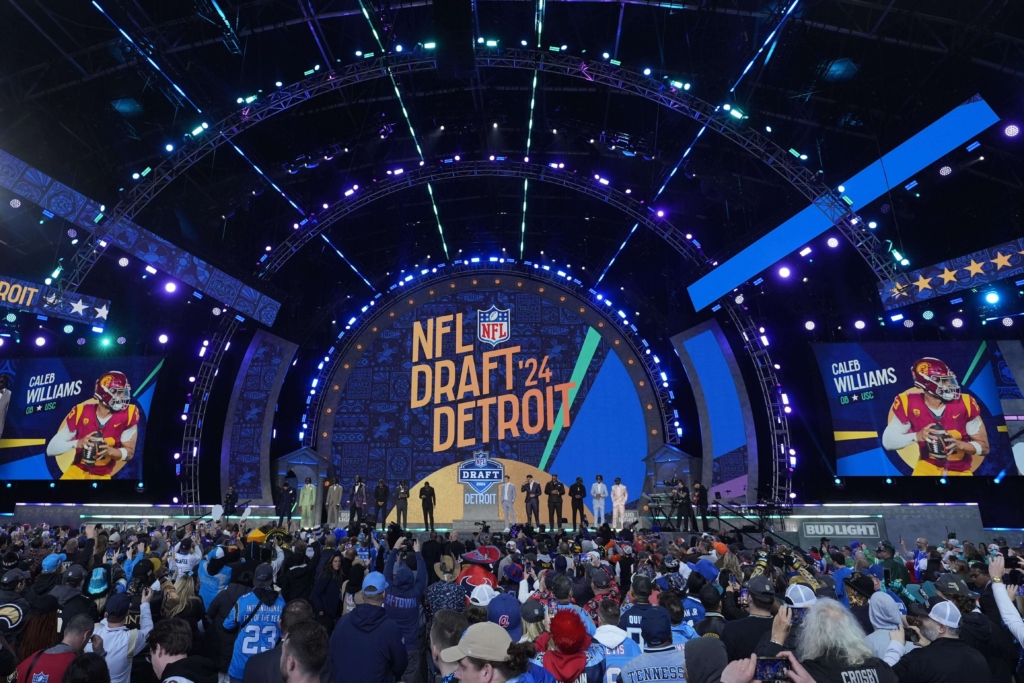
NFL Quarterbacks Drafted by Round Since 2020: Trends, Starters & Surprises The quarterback (QB) position has always been the most scrutinized in football. In today’s NFL, the draft continues to serve as the launchpad for future stars—and some notable disappointments. Since 2020, dozens of quarterbacks have been drafted across all seven rounds, with varying levels of success. Some are now franchise leaders, while others are fighting just to remain on a roster. Let’s dive into the quarterback draft history from 2020 to 2025, examining which players are starting today, which rounds yield the most talent, and how the NFL has evolved its approach to evaluating QBs. Round 1 QBs: The Franchise Hopefuls As expected, Round 1 remains the hotspot for quarterback selections. Teams looking to secure their future often gamble with high picks on players who demonstrate elite college production, arm talent, and leadership. Notable Round 1 QBs Since 2020: Joe Burrow (2020) A franchise-changing talent for the Bengals, Burrow took his team to the Super Bowl just two years into his career. Justin Herbert (2020) Quickly became one of the league’s most productive passers for the Chargers. Trevor Lawrence (2021) Seen as a generational prospect, he has stabilized Jacksonville’s offense. CJ Stroud (2023 Arguably one of the best rookie QB seasons in NFL history. Caleb Williams (2024) & Jayden Daniels (2024) The latest top-tier talents, with huge expectations placed on their shoulders. While Round 1 QBs often become starters, not all have succeeded. Zach Wilson and Trey Lance have struggled to meet expectations, showing that the first round guarantees opportunity, not success. Round 2 QBs: The Hidden Gems Round 2 has produced fewer quarterbacks, but those selected here often have high upside with perceived flaws. Best Example: Jalen Hurts (2020) – Drafted by the Eagles despite already having Carson Wentz. Fast forward, he’s now a top-5 QB in the league, an MVP candidate, and a Super Bowl participant. Others like Will Levis (2023) are still proving themselves, while Kyle Trask (2021) remains a backup with limited starting potential. The takeaway? Round 2 is less about polish and more about potential. When the fit is right—like Hurts in Philly—it can pay off massively. Round 3: Boom or Bust Territory The third round has become something of a boom-or-bust zone for quarterback selections. Teams are willing to invest here, but the margin for error shrinks. Mixed Results: Desmond Ridder (2022) started games for Atlanta but showed inconsistency. Matt Corral (2022) and Kellen Mond (2021) have mostly been relegated to backup or practice squads. Stetson Bennett (2023) – After winning national titles at Georgia, he’s still a question mark in the NFL. In most cases, Round 3 QBs need to show growth quickly or risk being lost in the shuffle. Rounds 4-7: The Longshots By Round 4 and beyond, quarterbacks become developmental projects or backups. Yet history has shown that late-round QBs can blossom under the right circumstances. Best Late-Round Stories: Brock Purdy (2022, Round 7) – Mr. Irrelevant has defied the odds, becoming the 49ers’ starter and an NFC Championship contender. Bailey Zappe (2022) and Sam Howell (2022) have also seen starting reps despite late-round draft status. Jake Haener (2023) and Aidan O’Connell (2023) are among the recent draftees getting early playing time. However, most others—like Jake Fromm, Ben DiNucci, and Cole McDonald—have bounced around practice squads or exited the league. Undrafted Free Agents (UDFAs): The Ultimate Underdogs While not many QBs go undrafted and become starters, there are always a few hopefuls each year. As of now, none of the UDFA QBs from this list have emerged as stars, but future surprises can’t be ruled out. 2025 QB Draft Class: Early Outlook The 2025 class is already making waves. Among the names listed: Cam Ward (Round 1) – Drafted by the Titans, Ward combines mobility with an NFL-caliber arm. He’ll be competing for the starting job early. Jaxon Dart (Round 1) – Picked by the Giants, he could be the heir to Russell Wilson, depending on his early performance. Tyler Shough (Round 1) – Landed with the Saints. He’s got physical tools but must prove he can stay healthy and develop consistency. Shedeur Sanders, Quinn Ewers, and Will Howard –Drafted later in the Draft and should be considered a starting option at this time, but expected to be key names in future draft classes. This class blends upside with polish. It will be interesting to see who can transition to an NFL offense and secure long-term success. Draft Trends & Key Takeaways 1. First-Round Investments Are Common—But Not Always Safe Every year, teams prioritize QBs early. But for every Herbert, there’s a Trey Lance. Franchise situations, coaching, and development matter as much as talent. 2. Second-Rounders Can Be Franchise Players Jalen Hurts is the poster child for this. Expect more teams to take calculated second-round swings on high-upside prospects. 3. Late Rounds Produce Starters—Rarely While Brock Purdy is an outlier, teams shouldn’t overlook Day 3 QBs. In the right scheme with good coaching, these players can thrive. 4. There’s No Exact Science Quarterback development is a complex mix of talent, opportunity, and mental fortitude. A player like CJ Stroud can thrive from Day 1, while others take years or never make it. Looking Ahead As the NFL continues to evolve into a pass-heavy league, quarterbacks will always be at the center of draft conversations. With 2025’s class bringing another set of intriguing prospects and future classes already creating buzz, one thing is clear—there’s no offseason when it comes to finding “the guy” under center. Final Thoughts From top-10 picks to seventh-round steals, every quarterback’s path to the NFL is unique. Some will thrive, others will fade, but all will have their shot. And for NFL teams and fans alike, that shot is often worth the gamble. Whether you’re a fantasy player, a scout, or just a fan of the game, tracking QB draft history offers fascinating insights into how teams build for the future—and how success isn’t always where
2025 NFL Draft: Top Rookie Landing Spots by Position
2025 NFL Draft Landing Spots: Full Breakdown by Position The 2025 NFL Draft is in the books, and it’s time to get excited about the next generation of NFL stars. With rookies landing across the league at every position, fantasy football managers, dynasty players, and hardcore NFL fans have plenty to look forward to. Let’s dive into the major rookie landing spots — focusing on quarterbacks (QBs), running backs (RBs), wide receivers (WRs), and tight ends (TEs) — and see who could make the biggest impact right away. Quarterbacks (QBs): New Franchise Leaders? Jaxon Dart – New York Giants Jaxon Dart finds himself in New York, a team desperate for consistency under center. Dart has the tools to develop into a long-term starter. If the Giants strengthen their O-line, Dart could surprise a lot of people. Cam Ward – Tennessee Titans Cam Ward heads to Tennessee, where he’s expected to compete for the starting job immediately. With the Titans undergoing an offensive rebuild, Ward’s dual-threat ability could be a huge weapon. He could turn into a fantasy sleeper if he secures the starting role early. Tyler Shough – New Orleans Saints The Saints add Tyler Shough, a high-upside passer with mobility. New Orleans could be the perfect place for Shough to grow behind an experienced roster and eventually lead their next era. Jalen Milroe – Seattle Seahawks Jalen Milroe brings electric athleticism to Seattle. Though Sam Darnold is still there, Milroe could be groomed as the future starter. His legs will make him a fantasy threat once he sees the field. Dillon Gabriel – Cleveland Browns The Browns double-dip at quarterback, adding Dillon Gabriel and Shedeur Sanders. Gabriel offers accuracy and decision-making, fitting nicely into Cleveland’s offensive system. Shedeur Sanders – Cleveland Browns Cleveland also grabs Shedeur Sanders, one of the most highly-touted QBs in the class. Sanders is NFL-ready with elite poise and mechanics. Don’t be shocked if he wins the starting job sooner rather than later. Kyle McCord – Philadelphia Eagles Kyle McCord lands in Philadelphia, giving them a talented developmental backup. McCord has a big arm and could turn into a solid starter if needed. Will Howard – Pittsburgh Steelers Pittsburgh picks up Will Howard, who offers prototypical size and underrated mobility. He may sit behind the starter initially but has long-term upside. Riley Leonard – Indianapolis Colts Leonard will battle for a backup spot in Indy, but with his strong arm and frame, he could develop into a starter if given time. Other Notable QBs: Graham Mertz (Houston Texans) – Solid depth behind Stroud. Cam Miller (Las Vegas Raiders) – A developmental QB with tools. Kurtis Rourke (San Francisco 49ers) – Classic Kyle Shanahan project. Quinn Ewers (Miami Dolphins) – Could challenge for backup duties behind Tua. Running Backs (RBs): New Playmakers in the Backfield Ashton Jeanty – Las Vegas Raiders The Raiders have a gem with Ashton Jeanty. Explosive and versatile, he should smash immediately and become a top 5 dynasty RB. Omarion Hampton – Los Angeles Chargers Hampton fits perfectly into the Chargers’ system as a powerful runner who can also catch passes out of the backfield. Quinshon Judkins – Cleveland Browns Judkins gives the Browns a bruising back who lead the backfield right now. Treyveon Henderson – New England Patriots Henderson’s quickness and pass-catching ability could make him a major contributor in New England’s often unpredictable backfield. RJ Harvey – Denver Broncos Harvey brings versatility and explosiveness to Denver. He is definitely someone to consider reaching for in the upcoming draft. Kaleb Johnson (Pittsburgh Steelers) A perfect fit for Johnson. The Steelers use a zone run scheme and Johnson could feast as the primary back in Pittsburgh. Other Notable RBs: Bhayshul Tuten (Jacksonville Jaguars) – Will compete for carries behind Etienne. Love the talent! Trevor Etienne (Carolina Panthers) – Yes, the younger brother of Travis Etienne; exciting upside! Woody Marks (Houston Texans) – A potential pass-catching weapon. Wide Receivers (WRs): Game-Changers Out Wide Travis Hunter – Jacksonville Jaguars Travis Hunter, the electric two-way star, lands with the Jaguars. While some wondered if he might play DB, he’s set to stick at WR. Trevor Lawrence gets another elite weapon — fantasy gold! Tet McMillan – Carolina Panthers Carolina needs offensive weapons badly, and McMillan offers size, speed, and reliable hands. He could quickly rise to WR1 status there. Emeka Egbuka – Tampa Bay Buccaneers The Bucs score a massive win with Egbuka. He’s polished, fast, but if Godwin is ready Week 1, which he should be, then the volume questions will arise similar to when JSN debuted in Seattle a few years ago. Matthew Golden – Green Bay Packers Golden gives Jordan Love another explosive target. He should carve out a role early on and could become a fantasy flex option by midseason. Jayden Higgins – Houston Texans With C.J. Stroud leading the way, Higgins will have opportunities. He’s a physical receiver who could thrive in the red zone. Luther Burden III – Chicago Bears Paired with Caleb Williams, Burden could become a fantasy star. His route-running and YAC skills are elite. Other Notable WRs: Tre Harris (Chargers) – A deep threat who could stretch defenses. Jack Bech (Raiders) – Don’t sleep on Bech who has very similar skills to his teammate Jakobi Meyers. Kyle Williams (Patriots) – This is exactly what Drake Maye and the Patriots offense needed. A speedster with elite separation skills. Tight Ends (TEs): The Future is Bright Tyler Warren – Indianapolis Colts The Colts needed more firepower at TE, and Tyler Warren fits the bill. He could immediately step into a starting role and be a red-zone favorite. Coleston Loveland – Chicago Bears Chicago quietly built a powerful offense, and Loveland’s versatility will make him a key piece in 2-TE sets. Mason Taylor – New York Jets Mason Taylor, Jason Taylor’s son, could become another reliable weapon for Justin Fields. He has the skill set to be a top-12 fantasy TE eventually. Terrance Ferguson – Los Angeles Rams
Top 2025 NFL Draft Rookies to Watch
Rookies to Watch: 2025 NFL Draft Class You Need on Your Radar As the 2025 NFL Draft edges closer, fantasy football managers, dynasty league players, and NFL fans alike are already scouting the next wave of talent set to impact the league. This year’s class is rich with dynamic quarterbacks, explosive running backs, elite wide receivers, and versatile tight ends. Whether you’re building a dynasty roster or just love tracking emerging stars, these rookies should absolutely be on your radar. Let’s break down the top rookies to add to your list by position. Written by: Jesse Morse, M.D. Quarterbacks (QBs): Future Franchise Leaders The 2025 class features several quarterbacks capable of becoming starters—and stars—at the next level. Whether you’re looking for dual-threat upside or pure pocket passers, there’s someone to fit every NFL scheme. Top 5 QBs to Watch: Cam Ward – A dynamic athlete with a cannon arm and excellent pocket awareness. Ward has consistently improved and is likely to be a top-10 draft pick. Shedeur Sanders – Deion Sanders’ son has stepped out of the shadow with sharp accuracy and leadership. His coolness under pressure makes him NFL-ready. Jaxon Dart – Known for his strong arm and mobility, Dart brings playmaker potential and will be an exciting name to monitor during pre-draft workouts. Quinn Ewers – A former top recruit, Ewers has the tools to thrive with the right development. Accuracy and timing are his strengths. Jalen Milroe – Electric as a runner and improving as a passer, Milroe could be a Jalen Hurts-type steal in fantasy leagues. Other Notable QBs: Will Howard, Kyle McCord, Dillon Gabriel, Riley Leonard, and Kurtis Rourke round out a very deep QB class, each with enough upside to compete for a starting NFL job. Running Backs (RBs): Depth and Versatility The running back group in the 2025 class is one of the deepest in recent memory. Several prospects bring true three-down potential with power, speed, and hands. Top 5 RBs to Watch: Ashton Jeanty – Arguably the best back in the class, Jeanty is a home-run hitter with elite burst and great hands. He’s a PPR goldmine. Kaleb Johnson – Johnson combines vision and quick cuts with surprising power. He’s a natural zone-scheme fit. Omarion Hampton – A workhorse back with size and contact balance. Could be a high-volume fantasy contributor. Treyveon Henderson – Smooth and explosive, Henderson is a scoring threat every time he touches the ball. Quinshon Judkins – A tough runner who breaks tackles with ease and shines in short-yardage situations. RBs with Sleeper Appeal: Dylan Sampson, Cam Skattebo, Devin Neal, DJ Giddens, and Trevor Etienne are just a few backs with enough juice to earn early touches in the NFL. Late-round fantasy stashes? Absolutely. Wide Receivers (WRs): Game-Changing Playmakers The 2025 WR class may rival recent elite classes in terms of overall talent. Speedsters, big-bodied targets, and elite route runners are all in abundance. Top 5 WRs to Watch: Travis Hunter – An electrifying talent who can play both ways but shines brightest as a WR. Think DeVonta Smith with a little more flair. Tet McMillan – Big-bodied with great hands and crisp routes, McMillan has WR1 potential in the right offense. Luther Burden – Explosive after the catch with excellent agility, Burden is the perfect modern slot weapon. Emeka Egbuka – Smooth and reliable, Egbuka profiles as a safe fantasy pick with WR2 upside. Xavier Restrepo – Underrated but ultra-productive. A PPR darling with high catch volume potential. Mid-Round Gems: Matthew Golden, Jayden Higgins, Jaylin Noel, and Elic Ayomanor are all capable of outperforming their draft spots and becoming weekly fantasy starters. Deep dynasty league managers should also keep an eye on Isaiah Bond, Tez Johnson, and Brashard Smith. Tight Ends (TEs): The New Breed of Hybrids Gone are the days of the slow, blocking-only tight ends. This class brings athletic mismatches and true pass-catching weapons. Top 5 TEs to Watch: Tyler Warren – A strong red-zone presence who runs great routes for his size. Could be a top fantasy tight end within two seasons. Coleston Loveland – NFL-ready frame and impressive ball skills. A steady, reliable TE2 with TE1 upside in fantasy. Harold Fannin Jr. – Emerging as one of the most athletic tight ends in the class. His explosiveness jumps off the tape. Elijah Arroyo – Balanced in both blocking and receiving, Arroyo fits the mold of an every-down NFL tight end. Mason Taylor – Physical, tough, and clutch. A safe late-round flyer in fantasy drafts. High-Potential Sleepers: Terrance Ferguson, Oronde Gadsden II, Gunnar Helm, and Mitchell Evans are names that dynasty managers should keep flagged—especially in TE-premium formats. Why These Rookies Matter for Fantasy Football In fantasy football—especially dynasty and keeper formats—rookies offer immense value. Whether you’re looking for your next breakout quarterback or the perfect mid-season waiver wire stash, identifying high-upside rookies early is crucial. Many of the names above will land in starting roles by the end of their rookie seasons. Others might take a year or two but will offer excellent long-term value if you invest now. Key Tips: Monitor NFL Combine results and team visits. Track which teams draft these players—landing spots matter. Don’t overlook late-round picks in real drafts. A good situation can outweigh raw talent. Start Building Your Roster Now The 2025 rookie class is loaded with fantasy and NFL potential. Whether you’re a dynasty fantasy football veteran or a casual fan looking to learn more about future stars, now’s the time to start scouting. Bookmark this list. Watch the college highlights. Follow draft coverage. Because when these names start lighting up NFL fields on Sundays, you’ll want to be the one who got in early.
2025 NFL Draft: Top Landing Spots & Player Grades by Position
2025 NFL Draft Landing Spots and Grades: Top Prospects by Position The 2025 NFL Draft is shaping up to be one of the most talent-rich classes in recent memory. With playmakers spread across every offensive position, franchises are looking to reshape their future around these highly-rated prospects. The Injury Expertz has scored this year’s top talents, and the landing spots are generating plenty of buzz. Let’s break down the most notable names across quarterbacks, running backs, wide receivers, and tight ends. Written by: Jesse Morse, M.D. Quarterbacks (QBs) Quarterback remains the most pivotal position in football, and this class offers a deep talent pool with dual-threats and pocket passers alike. Cam Ward leads the class with an impressive 89.4 grade. A true field general with excellent arm strength and mobility, Ward could be a game-changer for a QB-needy franchise. Shedeur Sanders follows closely at 89.0, carrying the poise and pedigree that NFL scouts admire. His footwork and decision-making under pressure have improved significantly. Jaxon Dart (87.0) and Quinn Ewers (84.4) bring high-ceiling upside, though consistency will be key for both. Other notable QBs include Jalen Milroe (84.3) and Dillon Gabriel (83.2), both of whom bring unique athletic traits to the next level. Running Backs (RBs) This year’s running back class features explosive speedsters, downhill bruisers, and all-purpose backs. Ashton Jeanty stands out with a 92.5 grade, the highest among all RBs. His burst, vision, and receiving ability make him a three-down back at the next level. Kaleb Johnson (86.4) and Omarion Hampton (87.3) have quietly climbed the ranks with consistent performances. Treyveon Henderson (86.0) and Quinshon Judkins (85.5) also project as starting-caliber backs with immense upside. Depth runs deep with prospects like Cam Skattebo (83.5), Devin Neal (84.8), and Trevor Etienne (82.1) all capable of making early NFL impacts. Wide Receivers (WRs) Perhaps the most stacked position in this class, the wide receiver group is filled with future stars. Travis Hunter, widely known for his two-way play, leads the receivers with a 93.4 grade. His elite ball skills and versatility will make him a first-round lock. Tet McMillan (88.5) and Matthew Golden (88.2) bring size, speed, and polished route-running to the table. Luther Burden (87.5) and Emeka Egbuka (87.3) provide dangerous playmaking ability both outside and in the slot. Under-the-radar names like Jayden Higgins (85.9) and Jaylin Noel (85.8) could rise quickly in draft boards with due to their strong combine performances. Tight Ends (TEs) The tight end class this year is diverse, with several high-upside prospects who could become difference-makers in the NFL. Tyler Warren, Colston Loveland, and Harold Fannin Jr. headline the list. This could be one of the best tight end classes in the past decade. Elijah Arroyo, Mason Taylor, and Terrance Ferguson bring solid blocking and pass-catching abilities—ideal for modern offensive schemes. Prospects like Luke Lachey, CJ Dippre, and Thomas Fidone II offer intriguing red-zone potential. Final Thoughts The 2025 NFL Draft class boasts balance and depth across every skill position. Whether teams are searching for their next franchise quarterback, a versatile backfield weapon, a field-stretching wideout, or a dynamic tight end, this year’s draft is poised to deliver. As always, combine performance, interviews, and pro days will shape the final draft order—but based on the current grades, it’s clear that the future of the NFL is in very capable hands.
2024 NFL Injuries That May Impact the 2025 Season
2024 NFL Injuries That May Impact the 2025 Season The 2024 NFL season was riddled with injuries that shook team rosters and fantasy football projections. While many players are expected to return for the 2025 season, the lingering effects of serious injuries could significantly influence their performance and availability. Some of the league’s most dynamic talents—Christian McCaffrey, Rashee Rice, J.J. McCarthy, Chris Godwin, and Chris Olave—ended their seasons prematurely. As teams prepare for training camps and strategize their 2025 game plans, the long-term impact of these injuries can’t be overlooked. Let’s take a closer look at five high-profile players whose injuries in 2024 may continue to shape the NFL landscape in 2025. Written by: Jesse Morse, M.D. Christian McCaffrey (San Francisco 49ers) – Knee Injury That Could Alter His 2025 Production Christian McCaffrey has been a fantasy football cornerstone and one of the league’s most dynamic playmakers for several seasons. However, his 2024 campaign was disrupted by lingering lower body issues, culminating in a season-ending knee injury by Week 13. What makes McCaffrey’s case particularly concerning is the fact that his injury followed bilateral Achilles trouble that already delayed his season debut until Week 10. Heading into 2025, there are legitimate questions surrounding his durability. The San Francisco 49ers rely heavily on McCaffrey’s versatility as both a runner and a receiver. Any decline in explosiveness, lateral agility, or snap count management could drastically alter the team’s offensive game plan and fantasy football strategies. Rashee Rice (Kansas City Chiefs) – Knee Injury May Stall His Breakout Momentum Rashee Rice was on a breakout path in early 2024, quickly becoming one of Patrick Mahomes’ favorite targets. But everything changed in Week 4 when Rice suffered a severe LCL injury during a freak play involving Mahomes himself. The knee injury abruptly ended his promising season. While reports suggest that Rice is rehabbing well, LCL injuries can be tricky, especially for wide receivers who rely on sharp cuts and acceleration. There is also a possible looming suspension as well that further complicates Rice’s 2025 value. If Rice isn’t fully recovered by training camp or begins the 2025 season at less than 100%, it could hinder the Kansas City Chiefs’ aerial attack. When healthy and able to be on the field, Rice will be the #1 target for Patrick Mahomes. Dr. Morse is very high on Rashee Rice heading into the 2025, although the looming possible suspension clouds the judgement a bit. J.J. McCarthy (Minnesota Vikings) – Missed Rookie Season May Delay NFL Development Highly touted rookie quarterback J.J. McCarthy never got the opportunity to step on the field in 2024. A meniscus injury during preseason required not one, but two surgeries, effectively shelving him for his entire first year in the NFL. While McCarthy is expected to be healthy for 2025, the missed developmental reps could have long-lasting effects. Rookie quarterbacks often need game-time experience to adjust to the NFL’s speed and complexity. Despite kicking the tires on Aaron Rodgers, after Sam Darnold signed with the Seattle Seahawks, at the time of writing (before the Draft) the tentative plan is for the Vikings to start McCarthy. With that being said, having missed an entire season, McCarthy will essentially be starting from scratch. Chris Godwin (Tampa Bay Buccaneers) – Ankle Injury Puts 2025 Campaign in Doubt Chris Godwin was having a standout season in 2024 before a bizarre ankle dislocation, which may have also included a fracture, brought things to a halt in Week 7. It’s still unclear the full extent of the damage Godwin sustained. Was there injury to the high-ankle (syndesmotic) ligament? These types of injuries can be especially debilitating for wide receivers, affecting their ability to push off, accelerate, and change direction. As of early reports, Godwin’s rehab is progressing, but the uncertainty around his cutting ability and game speed looms large. Tampa Bay may need to adjust their receiving corps or limit Godwin’s usage if he’s not fully recovered by Week 1 of 2025. Fantasy managers will also need to proceed with caution until there’s confirmation that Godwin is back to pre-injury form, and that may take 4-8 weeks for him to get back there. Chris Olave (New Orleans Saints) – Multiple Concussions Could Threaten Long-Term Availability Chris Olave entered the 2024 season with sky-high expectations and was drafted as a top-20 wide receiver in most fantasy leagues. However, a series of concussions led to the Saints shutting him down in Week 9. He ended the year with just 32 receptions—far below what was expected. The concerning part about Olave’s injury situation isn’t just the immediate missed time but the pattern of recurring concussions. If these symptoms persist or if he suffers another head injury in 2025, his career could be at risk. This could go one of three ways: Brandin Cooks, Tua Tagovailoa, and Jordan Reed. Reed ended up retiring from the NFL due to recurrent concussions, Brandin Cooks managed to avoid sustaining a concussion in the past several seasons, and for Tua every time he takes the field there it seems that everyone is holding their breath. Concussions remain a serious and unpredictable variable in the NFL. The Saints may even consider limiting his snaps or adjusting their offensive scheme to reduce his exposure to high-impact plays. Dr. Morse is personally recommending to avoid Olave in 2025, his risk is very high for another concussion. How These Injuries Could Shape the 2025 NFL Season While some of these players are expected to be medically cleared for the 2025 season, “cleared” doesn’t always mean “back to full strength.” Each of these players—whether it’s McCaffrey’s knee, Rice’s LCL, or Olave’s concussions—faces unique challenges that may impact not just their individual stats, but also their teams’ strategies and the broader fantasy football ecosystem. Fantasy Football Implications Risk vs. Reward: Players like McCaffrey and Godwin will be high-risk, high-reward picks in 2025 fantasy drafts. Depth Chart Adjustments: If Olave or Rice aren’t 100% by Week 1, other receivers could rise in value.
2024 NFL Injuries That Will Impact the 2025 Season
2024 NFL Injuries That WILL Impact the 2025 Season: Key Players Facing Tough Comebacks The NFL is a brutal league where physicality often comes at the cost of longevity. As we shift our focus to the 2025 NFL season, a number of serious injuries sustained during the 2024 campaign are set to leave a lasting impact—not just on the players, but on their teams, fantasy football strategies, and even playoff aspirations. These aren’t just minor setbacks; these are season-altering injuries, many of them involving ACL and Achilles tears that could affect player performance well into the upcoming year. In this article, we break down the most significant season-ending injuries from 2024 that are expected to influence the 2025 season. From rising stars like Tank Dell and Jonathon Brooks to established veterans like Deshaun Watson and Stefon Diggs, let’s take a look at the players who may not be the same—or even ready—when Week 1 of 2025 kicks off. Tank Dell (Houston Texans) – Devastating ACL Injury Could Derail a Promising Career Tank Dell was one of the brightest young stars in the Texans’ offense before disaster struck. The second-year wideout suffered a season-ending ACL tear in Week 16 of the 2024 season. To make matters worse, reports indicated that the injury included a knee dislocation—potentially a career-altering event. Coming off a strong rookie year, Dell was expected to be a breakout candidate in 2024, especially with Stefon Diggs aging. Now, the Texans are left wondering if their dynamic playmaker will ever regain his explosiveness. Given the timing and severity of the injury, it’s unlikely Dell will be ready for the first half of the 2025 season. In fact, there’s a good chance he will miss most, if not all of the 2025 NFL season. Jonathon Brooks (Carolina Panthers) – Re-Torn ACL Casts Doubt on Rookie RB’s Future Jonathon Brooks was one of the most hyped rookie running backs entering the 2024 NFL season. After an ACL tear ended his college career at Texas, the Panthers still saw enough potential to invest in him. Unfortunately, Brooks tore the same ACL again in Week 14 of his rookie season, raising serious red flags about his durability. Re-tearing an ACL is always a cause for concern, and for a young player whose game is based on burst and agility, it’s even more devastating. Brooks may not only miss the start of the 2025 season but could struggle to earn significant reps even when he returns. The Panthers may have to explore backfield depth in free agency or the draft as insurance. Deshaun Watson (Cleveland Browns) – Achilles Tear Adds to Long List of Setbacks Deshaun Watson’s return to form has been nothing short of tumultuous. After multiple injury-plagued seasons, 2024 ended with yet another devastating injury: a torn Achilles in Week 7, followed by a graft retear later in the fall. An Achilles tear is one of the most difficult injuries for quarterbacks to return from, especially for someone who relies heavily on mobility and off-script playmaking. Watson’s contract ties him to the Browns for the foreseeable future, but his future performance is now in serious doubt. Don’t be surprised if Cleveland starts 2025 with a backup—or newly acquired quarterback—under center while Watson rehabs. Brandon Aiyuk (San Francisco 49ers) – ACL Tear Adds Major WR Hole for SF Brandon Aiyuk entered 2024 with contract drama but quickly became a crucial part of the 49ers’ offense once he returned. Sadly, his comeback was short-lived due to a season-ending ACL tear in Week 7. With both Christian McCaffrey and Aiyuk sidelined by major injuries, San Francisco struggled to keep its offensive firepower intact. While ACL recoveries have improved over the years, wide receivers often take longer to regain top-end speed and route precision. Aiyuk’s absence, or limited capacity in 2025, could force the 49ers to lean more heavily on Jauan Jennings, Ricky Pearsall and George Kittle—assuming they can stay healthy themselves. Stefon Diggs (New England Patriots) – Veteran WR Faces Uncertain Recovery from ACL Injury Stefon Diggs may have played his final elite-level season in 2024. After a strong start in his new role with the Houston Texans, Diggs suffered a torn ACL in Week 8, ending his season and putting his future in question. At 32 years old, Diggs faces a tough road back. Aging receivers returning from major knee injuries rarely perform at their previous level. He will likely serve as the Patriots WR1, but won’t be near pre-injury levels on the field until around Week 5; despite being ahead of schedule after working with Dr. Reef. Christian Watson (Green Bay Packers) – Injury-Plagued Career Hits Another Setback After multiple soft tissue injuries early in his career, Christian Watson added another major chapter to his injury history with an ACL tear in Week 18. Once projected as a future WR1 for the Packers, Watson has yet to put together a full season. An ACL tear that late in the season will likely lead to Watson beginning the year on the PUP. Don’t be surprised if the Packers draft another wide receiver in the Draft. Dr. Morse is not very optimistic regarding Watson’s availability and effectiveness in 2025. Taysom Hill (New Orleans Saints) – ACL Tear at Age 34 Could Mark End of an Era Taysom Hill’s versatility made him a fan favorite and a nightmare for opposing defenses. At 34 years old, however, a torn ACL in Week 13 may have ended his unique career. Hill’s recovery timeline will likely stretch into the 2025 season, and even if he does return, it’s hard to see him playing the same physical, hybrid role. The Saints may need to redefine their offense without him, particularly in red zone packages where Hill often thrived. His absence also impacts special teams and depth at tight end. Final Thoughts: Injuries That Will Shape the 2025 NFL Season The 2024 season didn’t just claim victories and records—it also claimed a host of key players whose futures are now
